What Does the Check Engine Light Mean?
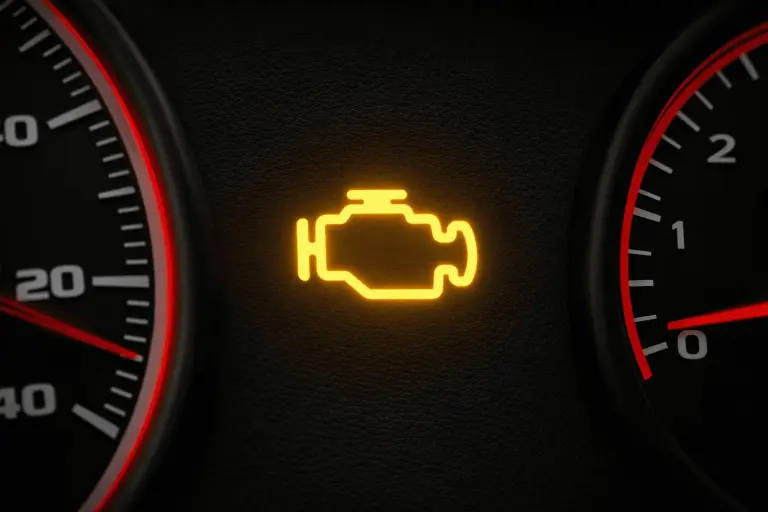
The check engine light means your car’s onboard computer has detected a problem with the engine, emissions system, or a related component and has stored a diagnostic trouble code. The cause can be minor, such as a loose gas cap, or serious, such as an engine misfire. A steady light generally means “get it checked soon,” while a flashing light is more urgent. This guide is for US drivers; exact meanings and urgency vary by vehicle, so confirm details in your owner’s manual.
Key points
- A steady light calls for a prompt check; a flashing light calls for immediate caution.
- The light says something is wrong, not which part has failed.
- A loose gas cap is one possible cause, but never assume it is the only one.
- Red warning lights, overheating, or loss of power alongside it mean stop safely.
What the check engine light looks like
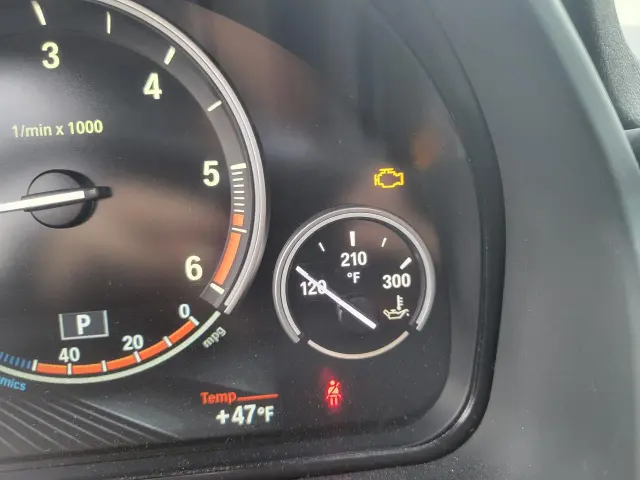
On most vehicles the light is an engine-shaped symbol, usually amber or yellow. Some vehicles also show words such as “Check Engine” or “Service Engine Soon,” and the symbol, colour, and wording can differ by make and model. Technically it is called the malfunction indicator lamp (MIL).
It is normal for the light to come on for a few seconds when you turn the ignition on, as a bulb check, and then go out. What matters is whether it stays on, comes on while driving, or flashes.
- Steady: the computer has stored a fault, and the car often still drives normally.
- Flashing: most manufacturers use this to signal a more serious condition, commonly a severe engine misfire. Confirm what your vehicle’s flashing pattern means in the owner’s manual. EPA’s consumer guidance also describes a blinking light as a severe problem, such as a misfire, that should be addressed quickly.
- Accompanied by other lights: a red oil-pressure or temperature warning is a separate, urgent signal. Treat it as its own problem.
What to do immediately
Your first move depends on how the light behaves and how the car feels.
- Check how the car is running. Note any rough running, shaking, loss of power, unusual noises, smoke, or strange smells.
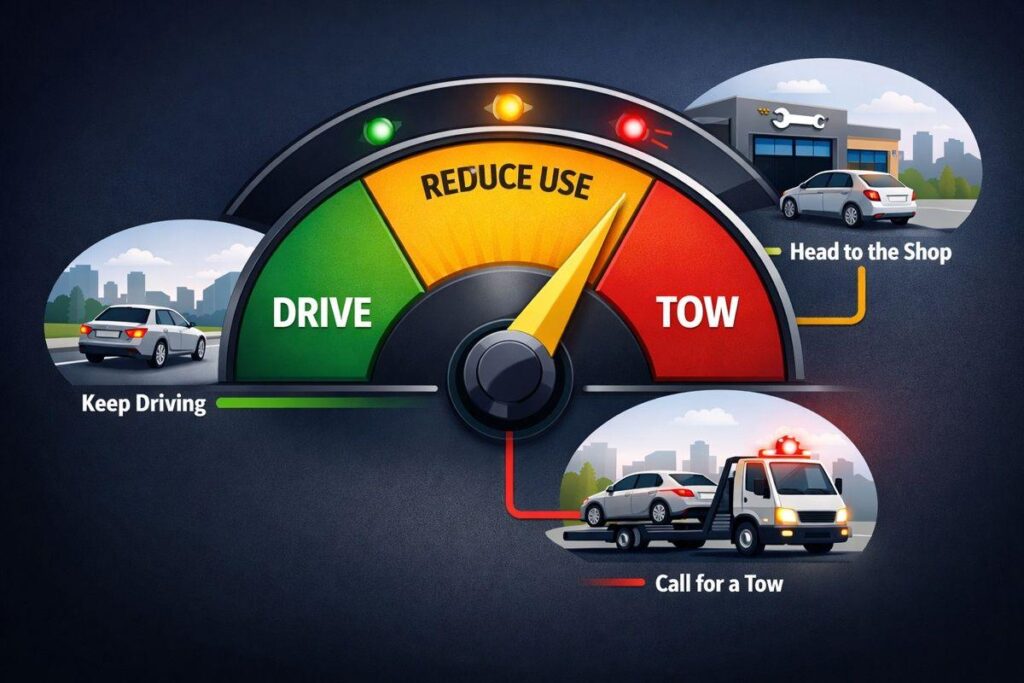
- If the light is flashing, reduce load right away. Ease off the accelerator, avoid hard acceleration and towing, and get to a safe place to stop. A flashing light often points to a misfire that can damage the catalytic converter if you keep driving hard. If it keeps flashing, arrange a tow or roadside assistance rather than driving on.
- If the light is steady and the car runs normally, you can usually continue to a safe place and plan an inspection soon. Do not ignore it for weeks.
- Check the gas cap if you recently refueled. Make sure it is present, undamaged, and fully tightened as your owner’s manual describes. A loose cap is a possible cause, but the light may not turn off immediately after you fix it. According to EPA guidance, the computer usually turns the light off once the problem has cleared over a few trips.
- Look at the dashboard and gauges. If the temperature gauge is high or a red oil-pressure warning is on, stop safely. A battery or charging-system warning is a separate light from the check engine light; it can point to a charging-system problem rather than the battery itself, so have it checked promptly. You can test a car battery with a multimeter, and if the car also struggles to start, read why a car won’t start.
Stop driving and call for help if: the light flashes persistently, the engine overheats, you see smoke, you notice a strong fuel smell, the engine knocks loudly, or the car loses power.
Common causes of a check engine light
The table below lists possibilities, not diagnoses. The same light can come from very different problems, and only testing can tell them apart.
| Possible cause | Clues you might notice | Safe next check |
|---|---|---|
| Loose, missing, or damaged gas cap | Light appears soon after refueling; car drives normally | Inspect and re-seat the cap; replace it if the seal looks damaged |
| Oxygen (O2) sensor fault | Worse fuel economy; otherwise normal driving | Have the code read; testing is needed before replacing anything |
| Spark plug or ignition coil problem (misfire) | Rough idle, shaking, hesitation, possibly a flashing light | Note when it happens; reduce load and get a scan |
| Catalytic converter issue | Reduced power, poor economy, sometimes a sulfur smell | Professional diagnosis; often a result of another fault |
| Mass airflow (MAF) sensor or air intake problem | Rough idle, stalling, hesitation | Visual check of the air intake; scan for codes |
| Evaporative (EVAP) system leak | Often no driving symptoms; possible fuel smell | Check the gas cap, then have the system tested |
Vehicle differences matter: the sensors, codes, and likelihood of each cause vary by year, make, model, and engine.
Can you keep driving with the check engine light on?
Often, with a steady light and normal driving, short trips to get the car inspected are reasonable. That is a general pattern, not a guarantee, so use your judgment and your owner’s manual.
- Generally reasonable: a steady light, no change in how the car drives, normal gauges, and no unusual smells or noises. Schedule a scan or inspection soon.
- Not reasonable: a flashing light, noticeable loss of power, rough running, overheating, smoke, a fuel smell, loud knocking, or a red warning light.
Driving for a long time with an unresolved fault can lower fuel economy, increase emissions, and in some cases allow a small problem to become a more expensive one.
How a check engine light is diagnosed
The vehicle’s onboard diagnostic system stores a diagnostic trouble code (DTC) when it detects a fault. A scan tool plugged into the vehicle’s OBD-II port, usually under the dashboard near the steering column, reads that code. According to EPA consumer guidance, 1996 and newer cars and trucks have second-generation on-board diagnostics (OBD-II).
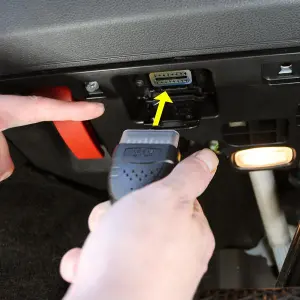
- Read the code. Use a scan tool (see how to use an OBD-II scanner), or have a shop or parts store read it. Availability and services vary by retailer.
- Record the code and any freeze-frame data. This shows the conditions when the fault was logged. Write them down before anything is cleared.
- Look up the code for your exact vehicle. Generic code definitions are standardized, but manufacturer-specific codes and procedures vary.
- Test before replacing parts. A code points to a system or circuit, not automatically to a failed part. For example, a code about catalyst efficiency does not by itself prove the converter is bad.
- Stop and seek a technician if the fault involves misfires, overheating, or any safety-critical system, or if you are unsure.
What a code does not tell you: which part is at fault, how long the problem has existed, or whether the car is safe to drive. Do not clear codes just to turn the light off or to get past an inspection. The light will usually return, and clearing can erase information a technician needs. Where emissions testing applies, an illuminated light may cause a failure, so check your state’s inspection program for current rules. EPA’s inspection and maintenance resources give the federal background.
How to reduce the chances of it coming on
No habit prevents every fault, but a few practices are well supported:
- Follow the maintenance schedule in your owner’s manual, including spark plugs and filters when due, and check your engine oil level between services.
- Tighten the gas cap fully after each fill-up, and replace it if the seal is worn.
- Use the fuel grade your manual specifies.
- Investigate a new warning promptly, since early repairs are often simpler.
- Check for open recalls using your VIN on the NHTSA recall lookup.
Frequently asked questions
Is it safe to drive with the check engine light on? With a steady light and normal driving, short trips to get it checked are often reasonable. A flashing light, overheating, power loss, or red warnings mean stop safely and get help.
Why did the light come on and then go off? Some faults are intermittent. On many vehicles the computer can turn the light off after the problem is no longer detected, but the code may stay stored, so a scan can still be useful.
Can a loose gas cap really cause it? It is one possible cause, particularly of evaporative-system codes. Tighten it and watch the light, but have the car scanned if the light stays on.
Will the car pass an emissions inspection with the light on? This depends on your state’s program. Check your state’s official inspection page for current rules.
Can I just clear the code myself? A scan tool can clear it, but the light will usually return if the fault remains. Clearing it also removes information a technician may need.
Conclusion
The check engine light is a prompt to investigate, not a diagnosis. If it is steady and the car runs normally, schedule a code read soon. If it flashes or other warnings appear, stop driving and get help.
This article is general information for education and does not replace your owner’s manual or a qualified technician. Procedures and warning-light meanings vary by vehicle.
Sources and further reading
- Your vehicle’s owner’s manual for the exact warning-light meaning and flashing behavior.
- EPA, “What To Do With the Check Engine Light” (EPA420-F-00-041, September 2000): consumer guidance on the light, blinking behavior, the gas cap, and scan-tool diagnosis.
- EPA, Vehicle Emissions Inspection and Maintenance (I/M): Information for State and Local I/M Agencies: federal background on OBD checks in inspection programs.
- NHTSA recalls lookup for open safety recalls by VIN.
- Your state’s official vehicle inspection or emissions program page, for state-specific rules.
Related articles

What Does the Battery Warning Light Mean?
The battery warning light usually indicates a problem with your car’s charging system, not necessarily a bad battery. Possible causes include a failing alternator,…
3 comments